
How to Choose the Right Dog Collar: Materials, Fit, and Safety Explained
June 21, 2026 · 7 min read
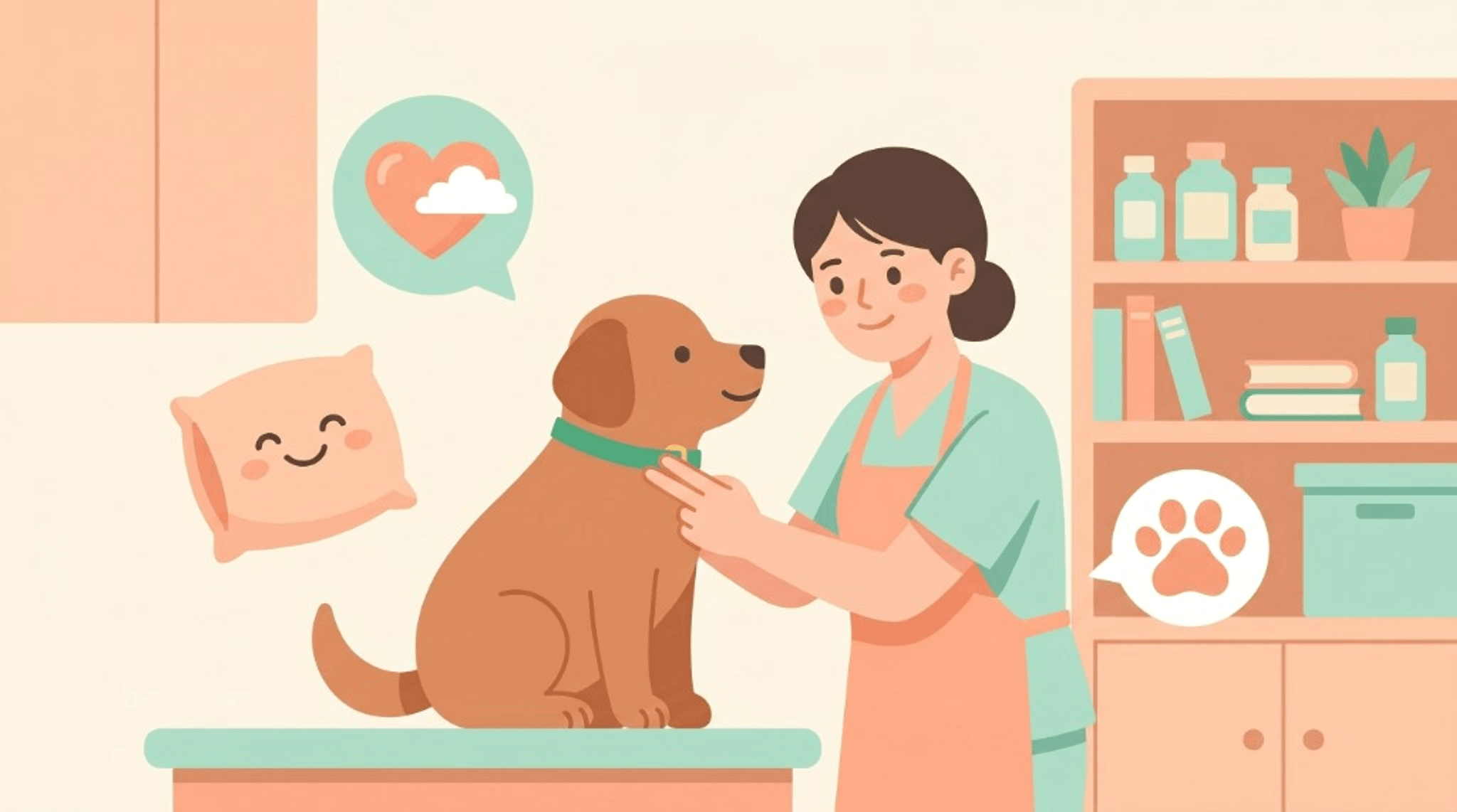
Walk into the collar aisle, or open any pet website, and the choices pile up fast: materials, buckle types, widths, special features. It is easy to overthink. The truth is that choosing the right collar comes down to four things, material, fit, hardware, and the style of collar itself. Get those right and the rest is just picking a pattern you love.
Start with material
The material decides how the collar feels, how long it lasts, and how it handles water, mud, and the occasional roll in something questionable. Woven webbing is the everyday workhorse: good quality webbing is soft against the neck, holds bright prints well, dries quickly, and stands up to daily wear, which is what most modern lifestyle collars use, including our collection of cute dog collars. Leather looks classic and ages nicely, but it needs more care, can stiffen if it gets repeatedly wet, and is usually heavier. Chain and metal options exist mostly for training contexts and are not meant for all-day comfort wear. For the average dog living an average happy life of walks, naps, and zoomies, a soft, durable woven collar is the easiest call.
Get the fit right
A beautiful collar in the wrong size is still the wrong collar, fit is about both comfort and safety. The standard everyone uses is the two-finger rule: once the collar is buckled, you should be able to slide two fingers comfortably between the collar and your dog's neck. If you have to force them, it is too tight; if your whole hand fits, it is too loose and your dog could slip out. An adjustable collar is almost always the smarter buy: it gives you a range instead of a single fixed size, so one collar can follow your dog through small changes instead of being replaced. A few things to keep in mind:
Measure the right spot
Measure the base of the neck where the collar naturally sits, not higher up toward the head.
Time it right
Measure after exercise, not right after a bath, since a wet coat adds bulk and throws off the fit.
Choose adjustable
An adjustable collar keeps the fit right as your dog grows or changes through the seasons.
Re-measure puppies often
Puppies grow faster than you expect, so re-measure every two to three months.
Pick the right hardware
Hardware is the part people skip, and then regret, the buckle and the D-ring are doing the actual work of keeping your dog safe. Look for a secure side-release buckle that is easy for you to operate but will not pop open under a hard pull. The D-ring, where the leash and tags attach, should be solid and rust-proof, because it will get wet and take strain. If your dog has a large head relative to their neck, a side-release buckle is much easier to manage than a collar you have to stretch over the ears. Cheap hardware is the most common failure point on a collar, a great strap with a weak buckle is not worth it.
Understand the main collar styles
You do not need anything exotic for most dogs, but it helps to know the difference. A flat collar is the standard everyday collar with a buckle and a D-ring, right for the vast majority of dogs. A martingale collar adds a limited-tightening loop, originally designed for dogs whose heads are narrower than their necks, like sighthounds, so they cannot back out of it; it is useful for escape artists, though it should never be left on unsupervised. Specialty and training collars serve specific training purposes and are a different conversation from an everyday comfort collar. For nearly every pup, a soft, adjustable flat collar with strong hardware is the right answer.
Do not forget comfort and looks
Once safety and fit are handled, the fun part is choosing something that suits your dog's personality. A collar is worn every day and seen in every photo, so a pattern you love genuinely matters. There is no rule that says practical and adorable cannot be the same collar.
The short version
Choose a soft, durable woven collar. Make sure it is adjustable so you can dial in the two-finger fit. Check that the buckle and D-ring are secure and rust-proof. For most dogs, a flat collar is all you need. Then pick the design that makes you smile and fits your pup just right.

Head of content
Siobhan leads content at Dazey, telling stories and writing guides for dogs and the people who love them.